
The most comfortable lie I told myself for years was "I'm not ready yet."
It never felt like a lie, though. That's what made it so effective. It felt responsible, measured, even smart. Not procrastinating; preparing. Just one more round of research. One more skill to pick up. One more thing to tweak. Then I'll be ready.
Except I was never going to be ready, because "ready" was the point. The word itself was the shield.
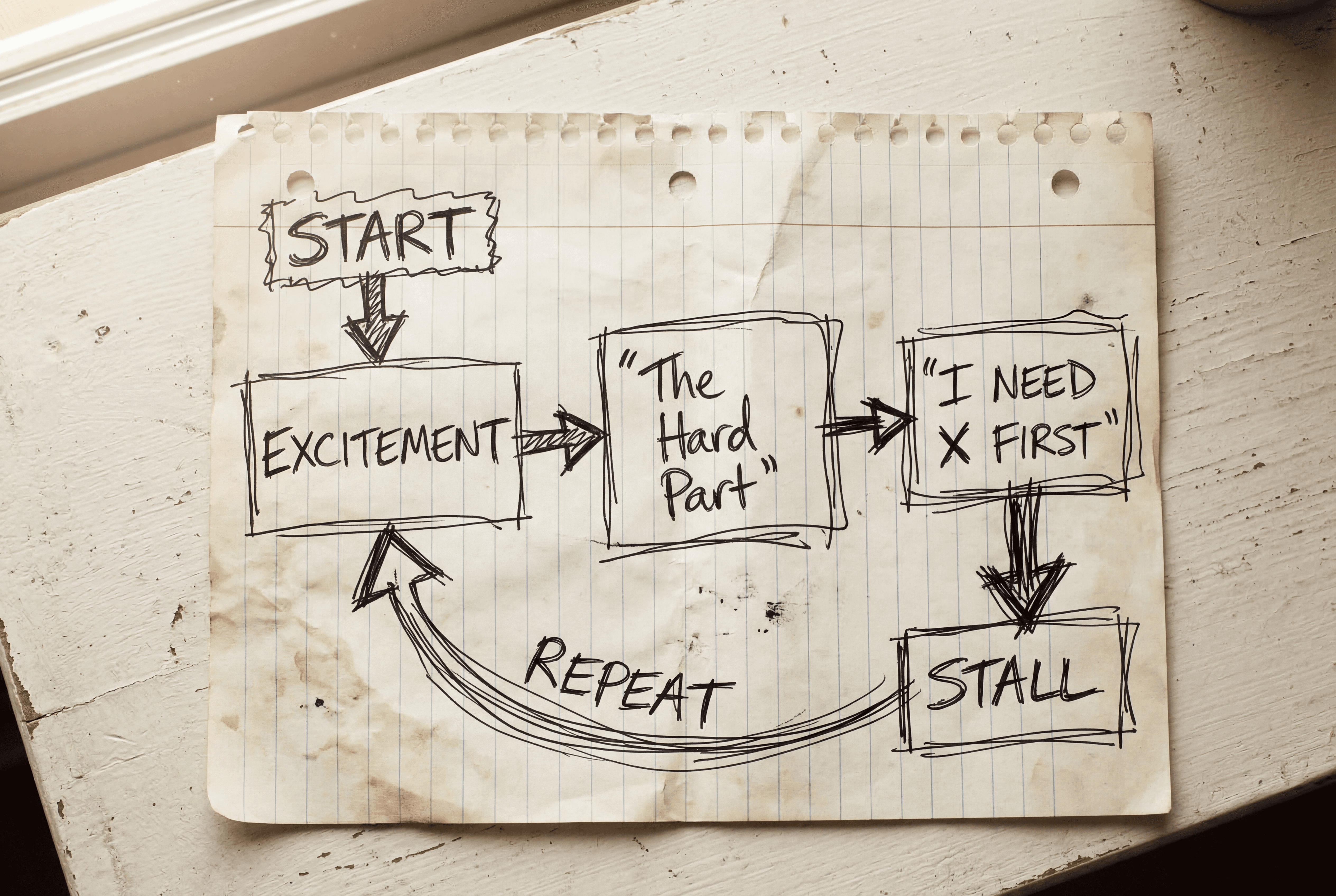
The loop
You get excited about something. A project, an idea, a direction. The energy is real. Then you hit the first genuinely hard part (the part where you have to make a decision without knowing if it's right) and something shifts. "I need X first."
For me, it was this website. I wanted to start posting content, building something in public. But first I needed a brand. A cohesive feeling. So I dove into brand research, got lost in the weeds, got overwhelmed, and gave up. Then I sat idly by for months before I finally said "fuck it, let's do it, whatever happens happens." Months of nothing, over a prerequisite I invented for myself.
And it wasn't just the website. I caught myself tweaking font sizes, adjusting line heights, polishing micro-interactions. Nitpicking every pixel instead of publishing the damn thing. I kept telling myself I wanted it to be the best experience people could ever have. What I was actually doing was finding reasons not to ship.
Why the lie feels good
Nobody talks about this part: not shipping feels comfortable.
When you haven't put anything out there, your potential is still infinite. Maybe the next thing you make is incredible. Maybe you go viral. Maybe you build something people love. That possibility, that untested and unproven chunk of potential, is sitting there intact. The moment you ship, it becomes measurable; and measurable means it might not measure up.
For a long time I treated the quality of my unused ideas as proof I was talented. Hadn't built anything yet, but look at how good my thinking was. The thinking became a substitute for doing, and inaction fed more inaction. That loop only goes in one direction.
The fear underneath
The real blocker wasn't laziness. It was self-protection.
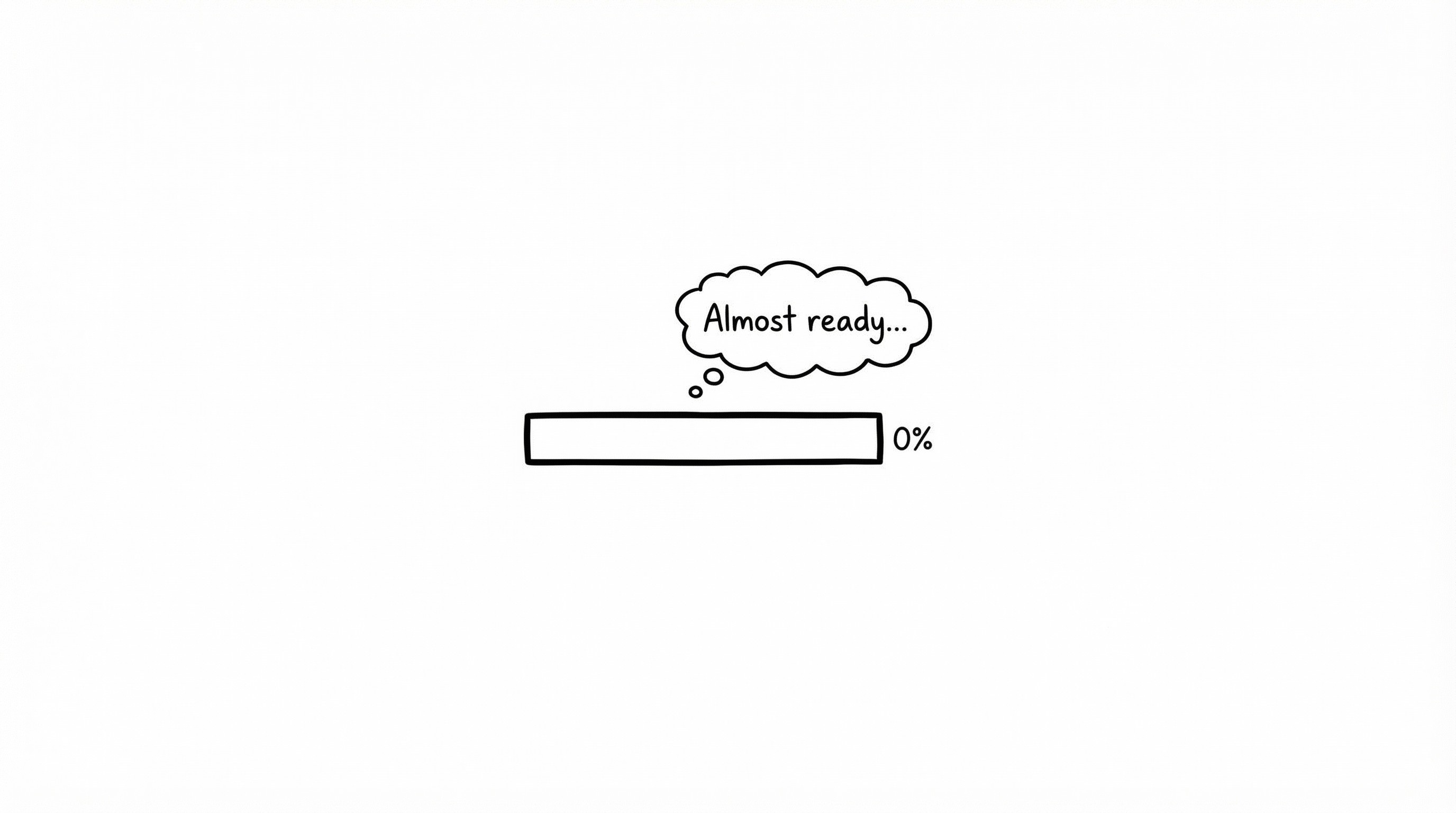
Social media was the clearest example. I was absolutely terrified of making an arse out of myself. Didn't want to seem pretentious, or fake, or like I didn't know what I was talking about. I wanted to come across as professional but approachable, funny but smart, confident but not arrogant. All those requirements spinning around in my head, and the result was predictable: I posted nothing.
The gym was the same thing wearing different clothes. I was afraid to go because I thought I didn't fit there. Everyone's fit, everyone's huge, and I'm literally not. That fear of not belonging was enough to keep me out entirely. In both cases I was protecting myself from the same thing: being measured and falling short.
What cracked it
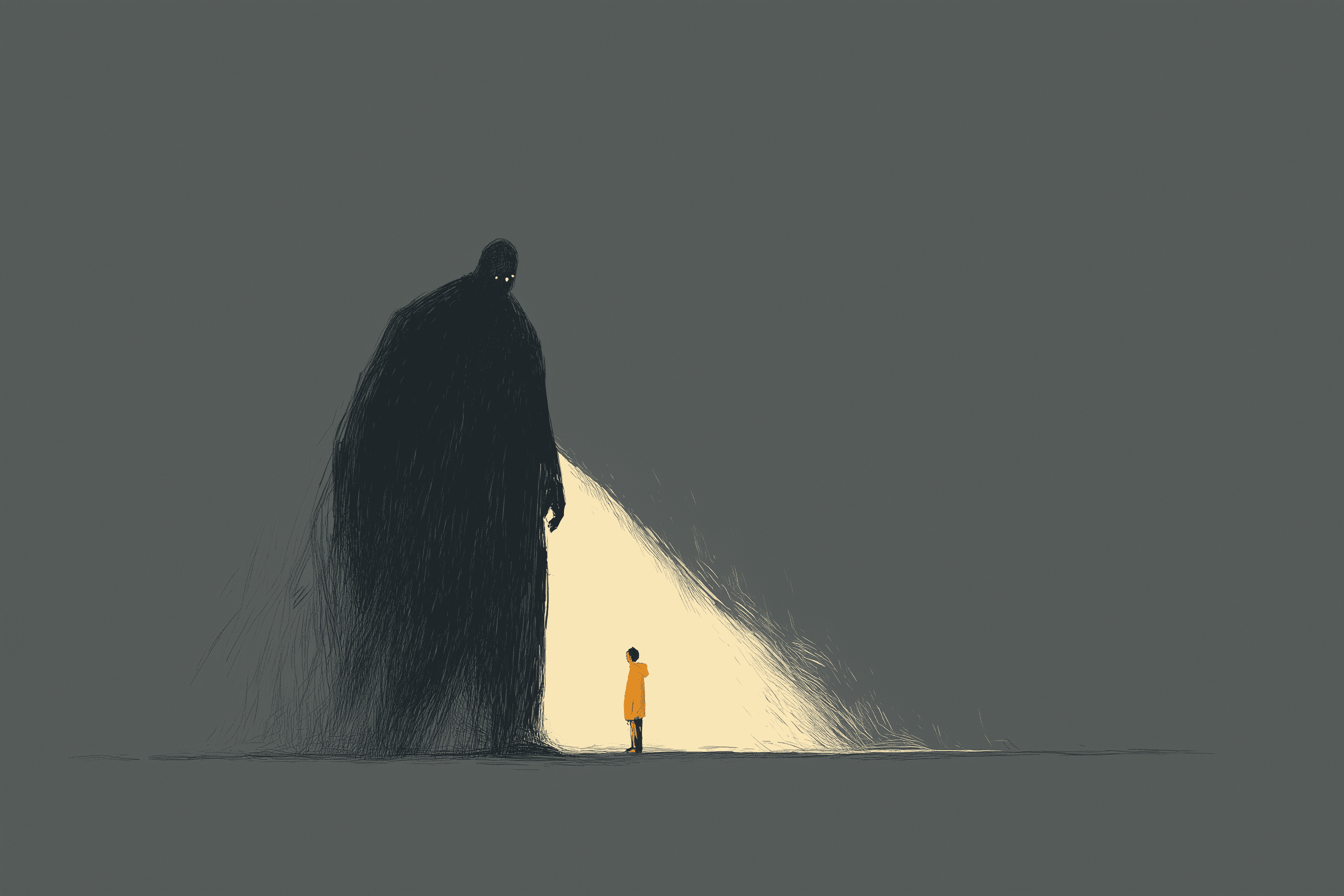
A coach asked me a question I couldn't argue with: "What would happen if you just posted something this weekend?"
Probably nothing, I said. No likes, no interaction.
"Okay. And what terrible thing happens then?"
She did the same with the gym. What happens if you don't go? I stay exactly where I am. What's the worst thing that happens if you do go? And I couldn't come up with anything real. The fear was enormous but the actual risk was zero.
That question started showing up everywhere. What happens if I publish this website with imperfect line heights? Nothing. It won't burn me down, it won't insult me, the world won't end. So I published it.
I also started running my plans through AI to structure my thoughts, and I built a rule into the process: if I'm constructing a prerequisite chain (needing X before Y before Z before I can start) flag it immediately. That one change has broken through more avoidance loops than I can count.
The real trick
When you actually do something and it doesn't work, there's a voice that says see, proof you failed. That's where the avoidance instinct comes from: by not doing anything, you never have to face that verdict.
But the trick is recognizing what that "proof" actually is. A thing you shipped that flopped teaches you something; a thing you never shipped teaches you nothing. The failure isn't in the flop. The failure is in the infinite potential you never tested.
The bet
I'm an absolute nobody. No following, no legacy, no platform to stand on. I'm not writing this because I've already made it and I'm looking back with wisdom.

I'm writing this because I want to prove, mostly to myself, that you can just start doing shit. That you don't need to be someone who has already made things happen before you're allowed to try. That showing up consistently, whether it takes a month or a year or longer, should be enough.
People always say "if I can do it, so can you." I find that a bit pretentious sometimes, so I'm not saying it. I'm putting it to the test instead, right here, in public. If you like it, you like it. If you don't, you don't.
But I'm going to fucking prove to myself that I can do it.