Between 2019 and now I've worn a lot of hats at TimeChimp. Product designer, brand manager, technical marketer. What looks like role-hopping was actually pattern recognition. I kept seeing what the company needed at each stage and building the systems to get us there
Time
2019 - 2025
Scope
Branding, UX Design, Marketing
The Challenge
When I joined TimeChimp in 2019 as an intern it was a lean startup. 8-10 people, "move fast and break things" energy. The goal was ambitious: build Product 2.0. Complete overhaul of the environment, the technology, the user experience.
Over the next few years the company scaled and the problems changed. First it was product usability. Then brand identity. Then marketing infrastructure. I kept moving toward whatever needed fixing.
Phase 1: Product Design & Systems
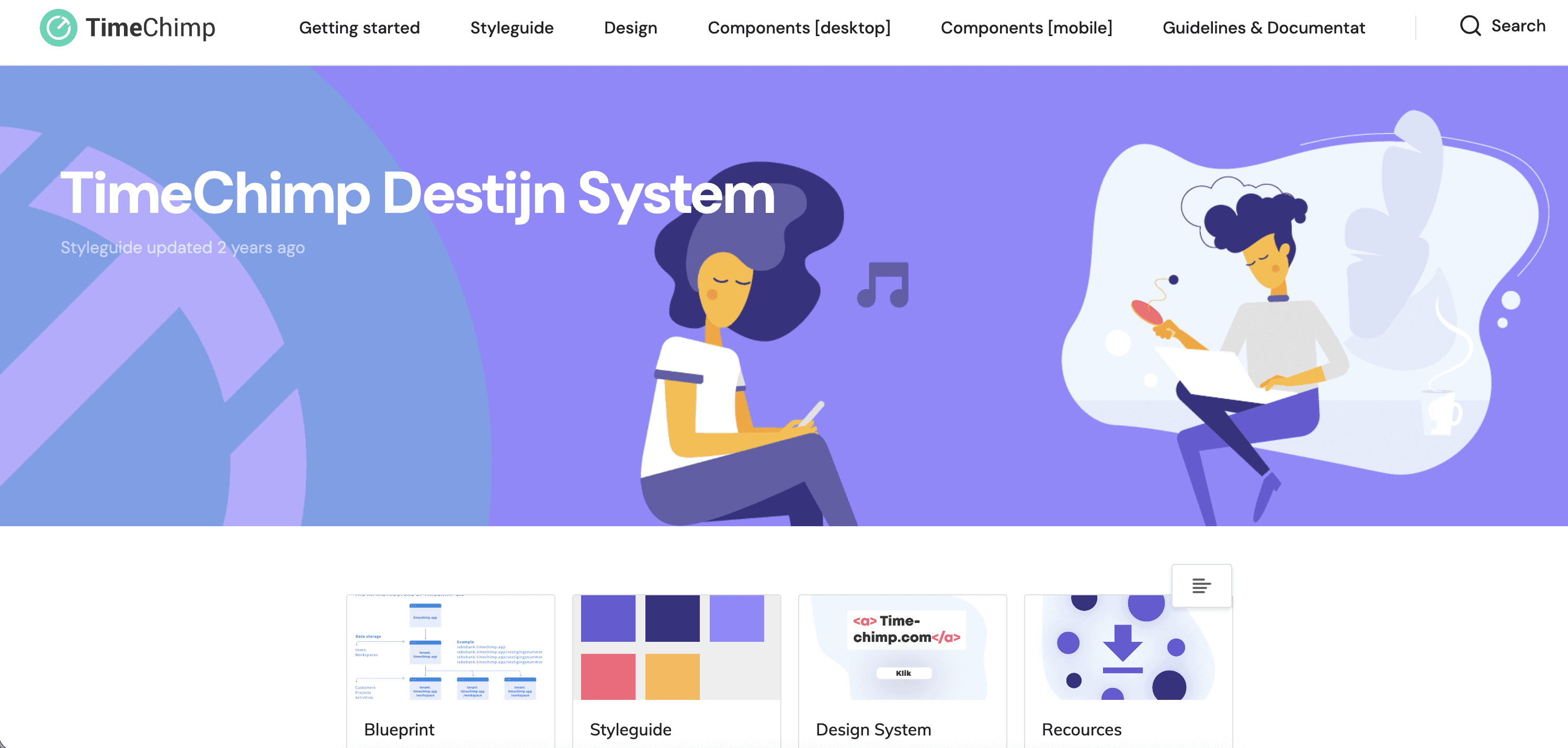
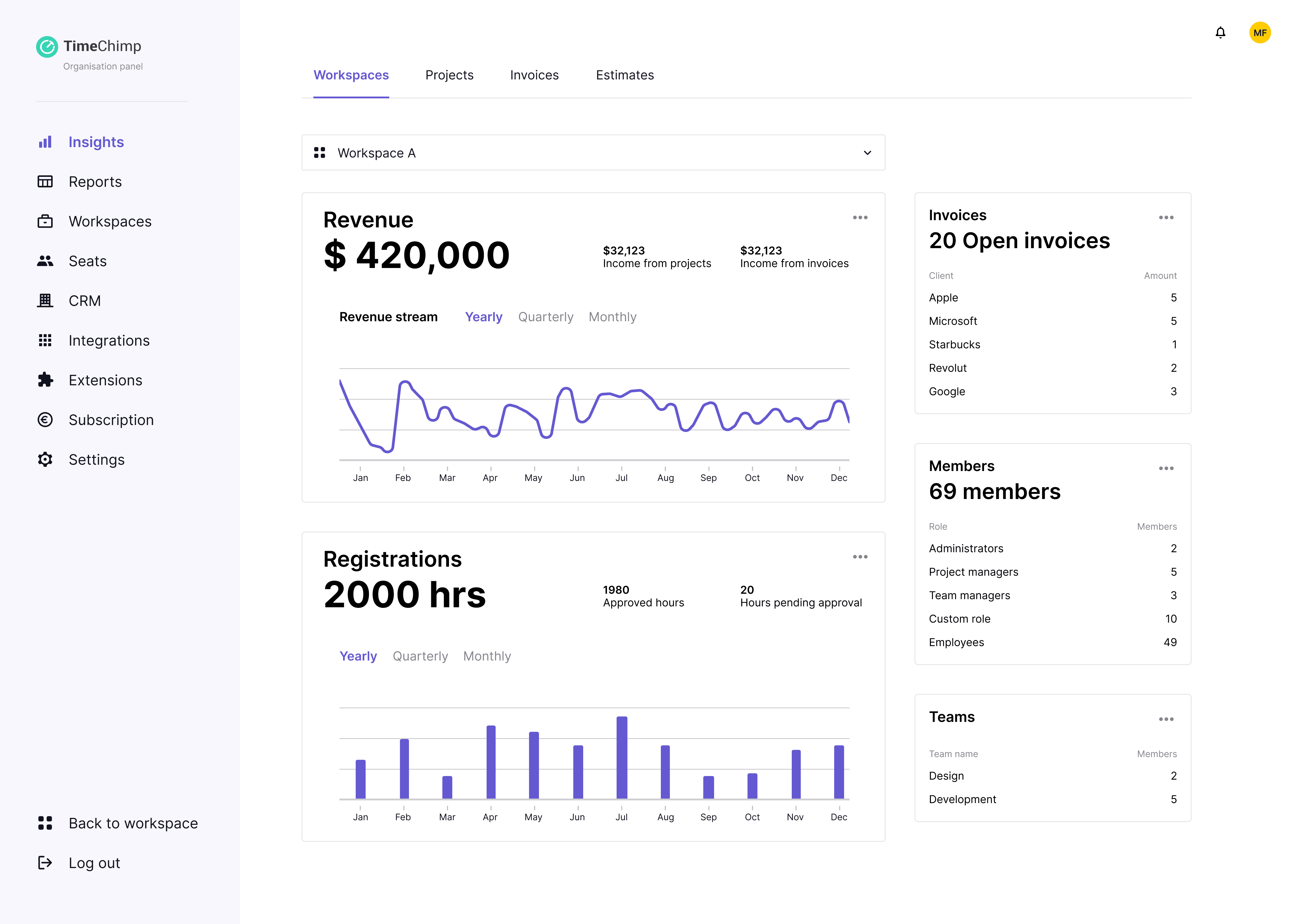
First priority was building the design system. Not just UI components, but the full brand system. Tone of voice, animation principles, photography guidelines. The stuff that makes a product feel intentional instead of patched together.
| App store rating went from below 4.0 to 4.2
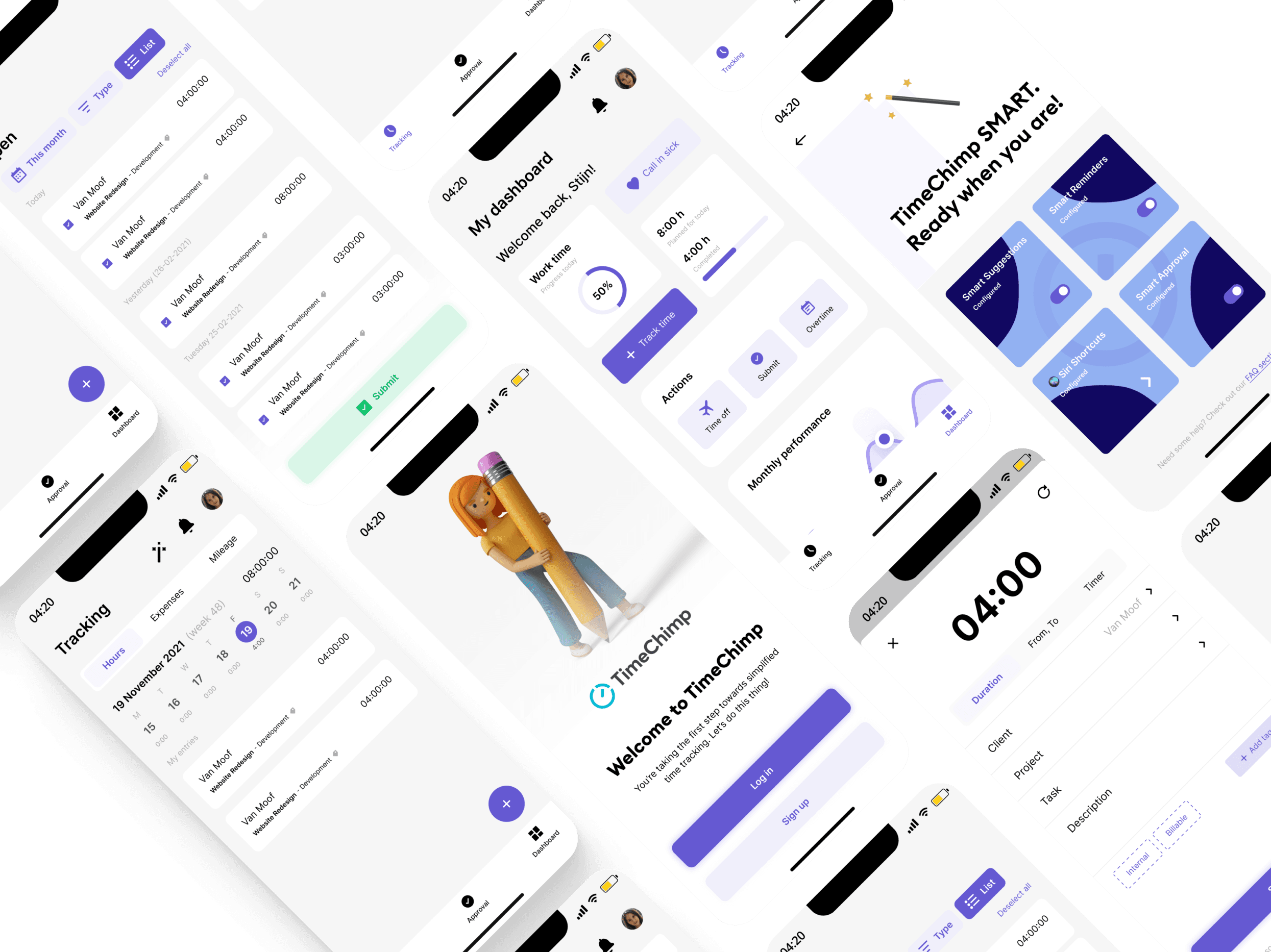
When the lead designer left I took over product work. The mobile app was the biggest problem. Buggy, didn't scale to different screen sizes, felt disconnected from the web experience. Users noticed. I led the redesign from research through delivery. Customer interviews, usability testing, iteration. App store ratings went from below 4.0 to 4.2.
Phase 2: Defining the brand
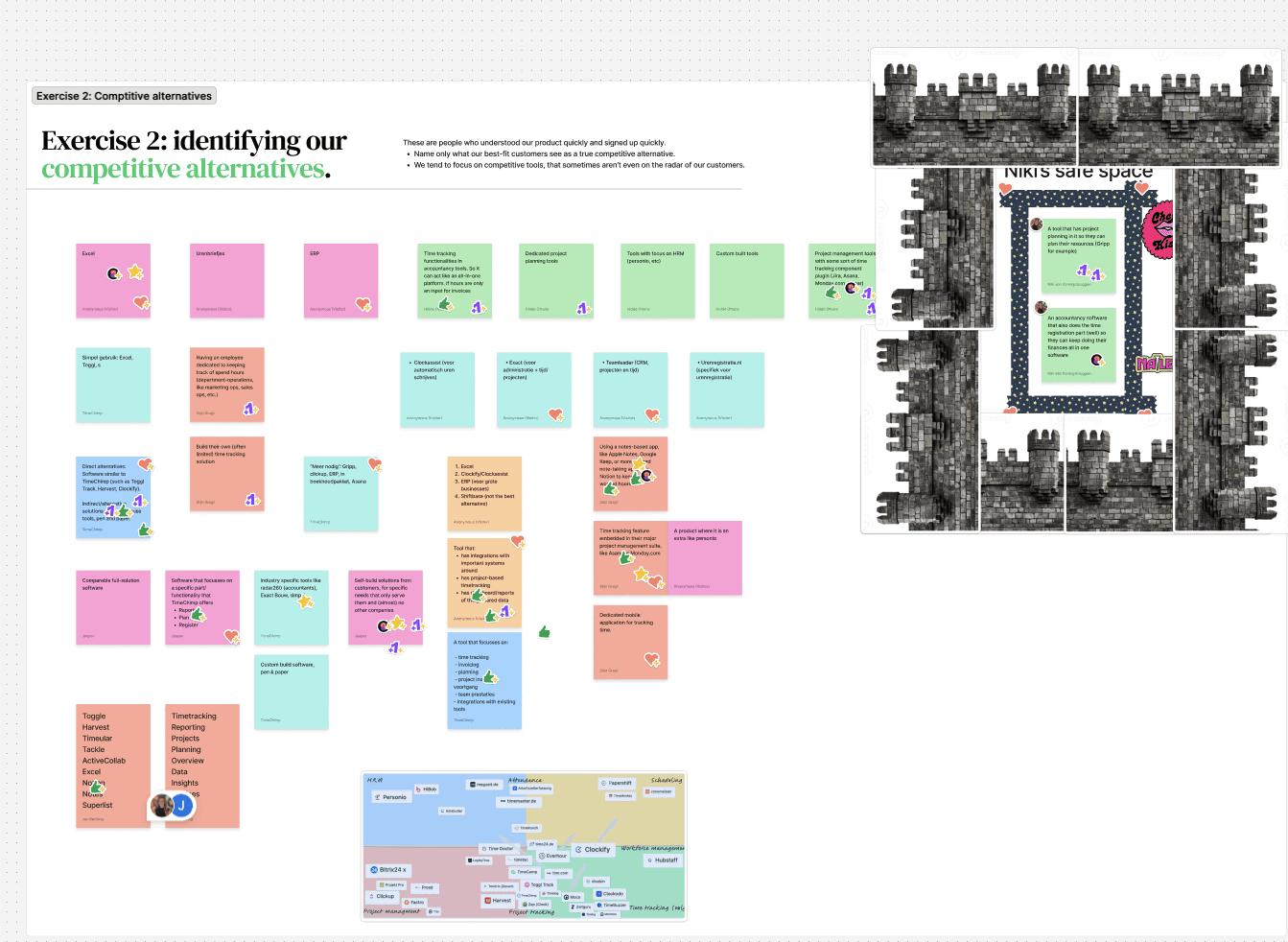
COVID hit and the company needed a reason to stick together. Internal conversations made it clear: TimeChimp's identity was too corporate, too one-dimensional. It didn't reflect who we were actually becoming. The people were diverse and energetic. The brand wasn't. I moved into a creative role to close that gap.
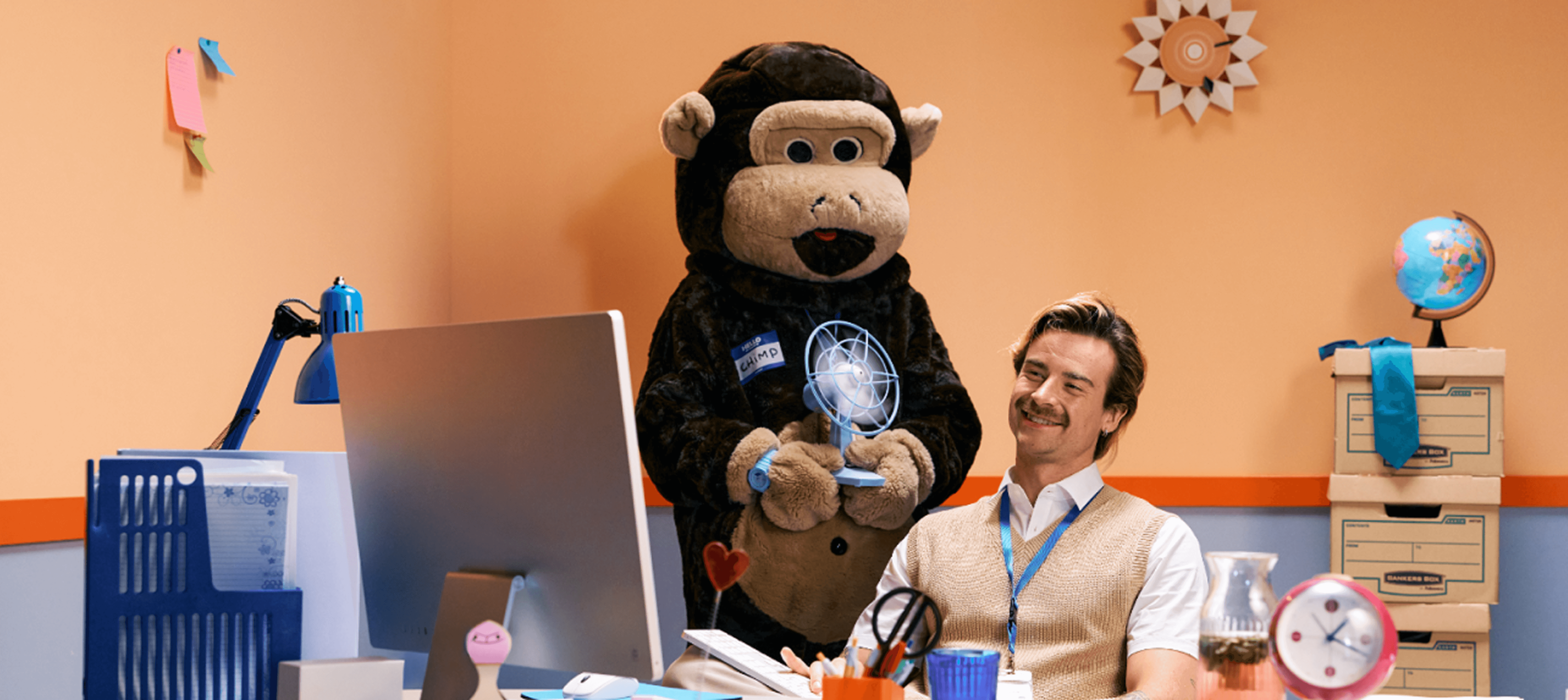
The Shutdown: We launched a monthly event called The Shutdown, celebrating team wins, both personal and professional. It gave people connection during remote work when isolation was hitting hard. It also started shifting the internal culture from transactional to something more human.
Brand formalization: On the brand side I led the work to define our mission, vision and purpose. Not top-down. Workshops, cross-team input. The goal was a brand that people inside the company could believe in and people outside could feel. We threw a brand relaunch party. I built an internal learning hub in Notion so the guidelines, tone of voice and visual standards didn't live in one person's head anymore.
The rebrand shaped how we hired and how we pitched. It also taught me things I hadn't planned on learning. Videography, photography, public speaking. How to pitch ideas when the path forward isn't obvious yet.

Phase 3: Marketing infrastructure
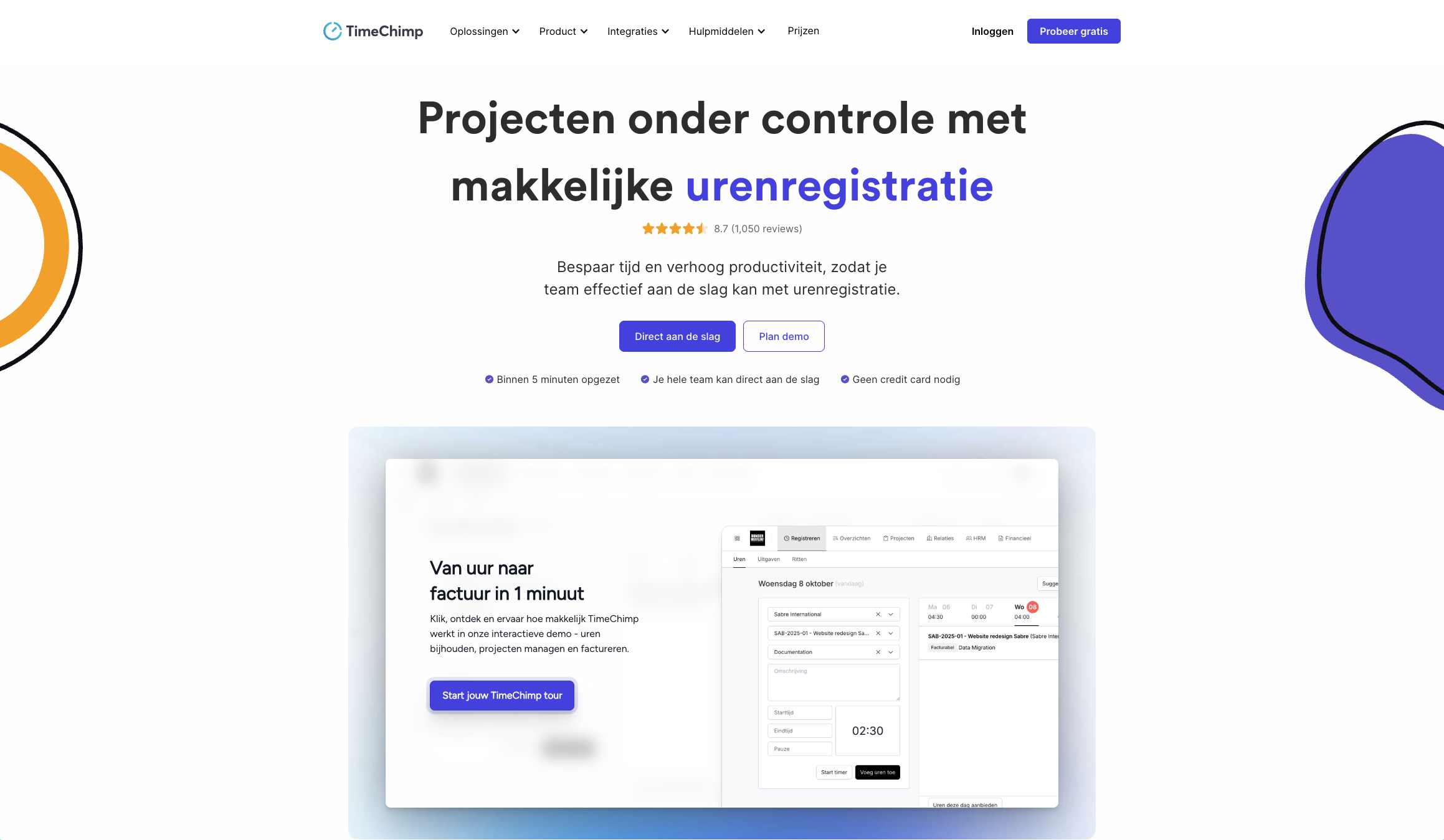
Moving into marketing I found an immediate bottleneck. Our WordPress site. We were dependent on an external agency for every change. Simple updates took weeks. A/B testing was impossible. No agility at all.
The solution: I pitched a complete migration to Webflow and ran the whole thing. The result: the marketing team had full control. We could run experiments, implement localization, handle technical SEO and deploy changes the same day instead of waiting on developers or agencies.
I also took ownership of search. Traditional SEO plus starting to think about how LLM-based search engines would change things.
Phase 4: AI and automation
By late 2023 generative AI had moved from novelty to something you could actually use. I saw an opportunity most marketing teams were still debating. Instead of waiting for a company-wide AI strategy I just started building.
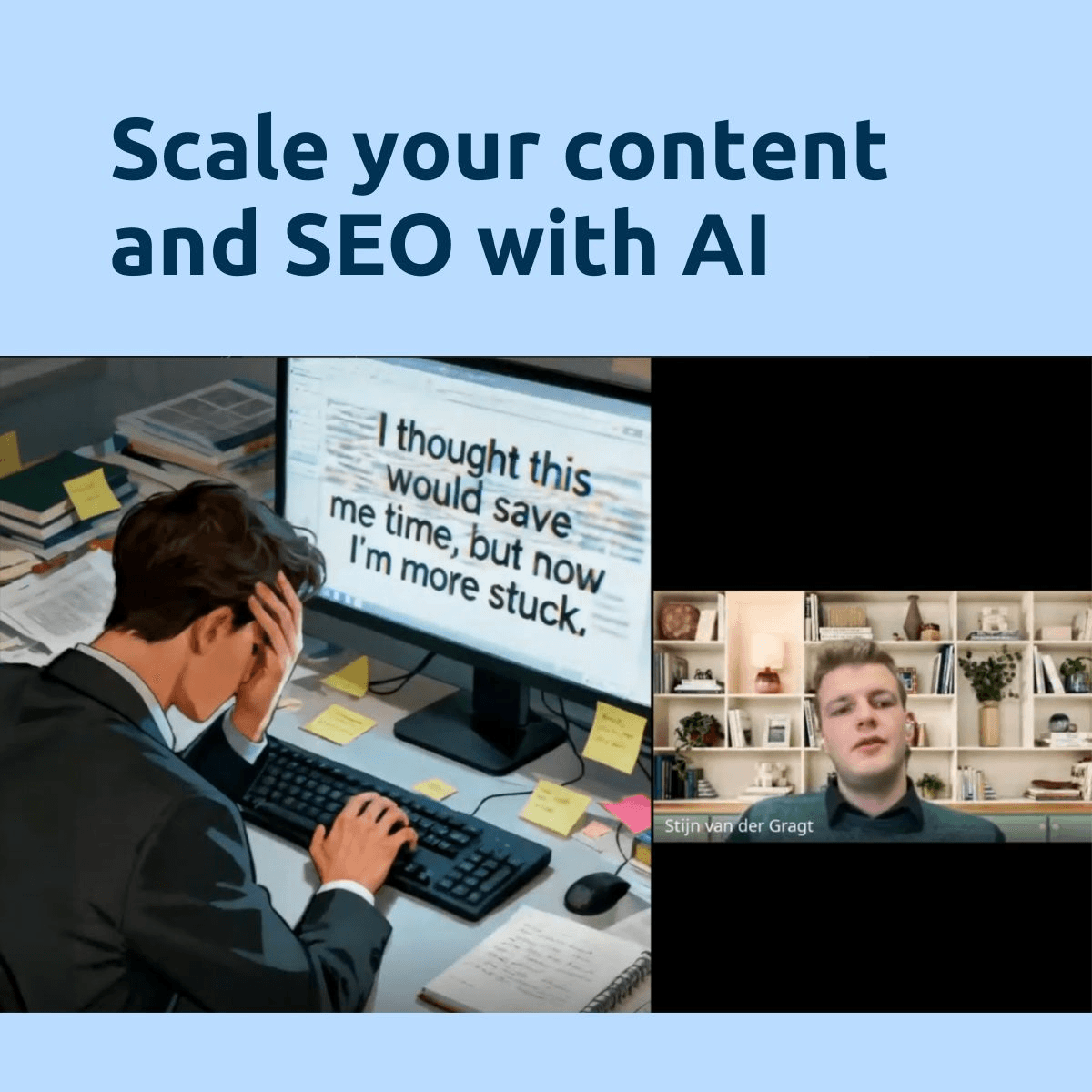
AI-powered content workflows using AirOps. Cut 8 hours of repetitive work per week. I connected Webflow, HubSpot and our analytics stack so data actually flowed where it needed to without pulling core developers off product work.
The bet wasn't about the tools. It was about timing. We had working systems and real learnings while competitors were still running pilots. That head start compounded. We could move faster, test more, keep the team focused on decisions instead of busywork.
The through-line
Six years, four roles, one company. Each time I moved it was because I could see the next bottleneck before it became a crisis.
I'm good at seeing what's broken and fixing it, even when it's not in my job description. That's been the constant.
Now I want to do it at a bigger scale. In-house you solve for one brand. At an agency you solve for many. Different clients, different problems, same approach: figure out what's actually blocking growth and build the system to fix it. Not just make the work, but make it work.