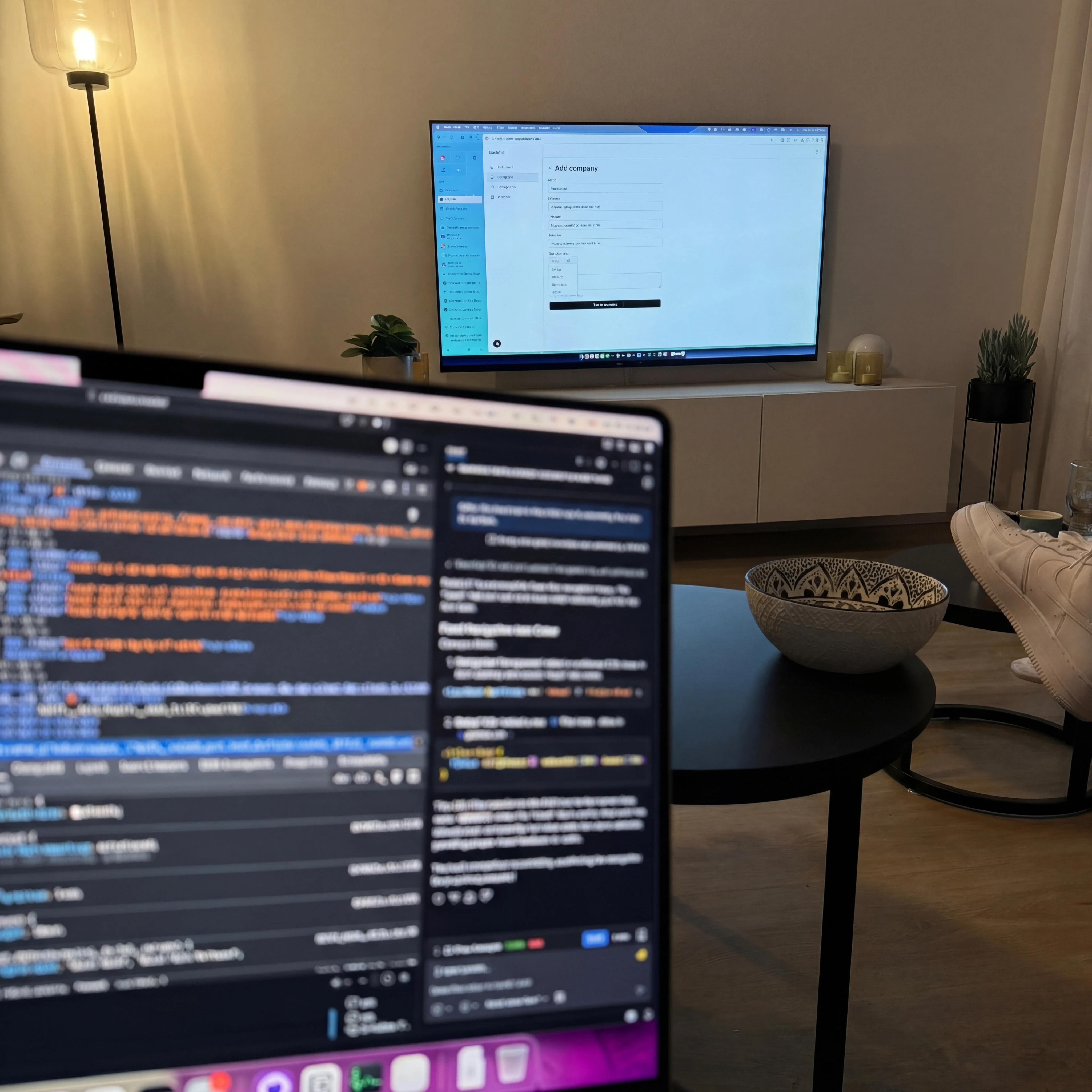
Four of us got together on a random afternoon with a simple plan: build something with AI by the end of the day. No agenda, no schedule, no end time. Just four friends with laptops and a vague sense of ambition.
We've known each other since college. Three designers, one developer. We've built things together before, and we still meet up regularly to grab dinner, talk shop, and occasionally make something. This time, the excuse was AI.
The plan
Build a workable product in one session. So we started the way you'd expect: brainstorming. Everyone did some individual research, we threw ideas on a FigJam board, listed problems we actually had in our professional and personal lives, and voted on the most promising one.
The board got crowded fast. A designer portfolio reviewer that grades your work against competency frameworks and gives you a step-by-step improvement plan. A liquor inventory tracker for one friend who's deep into cocktails and keeps losing track of what's actually in the cabinet. A corporate bullshit detector that analyzes your presentation for vague language, missing context, and whether you clearly state the decision the room needs to make. A complaint writer that knows your consumer rights and helps you draft letters to airlines, insurance companies, landlords; the kind of thing where you know you're right but can't articulate why in legal terms.
All solid ideas. Some of them might still get built. But we landed on competitive intelligence.
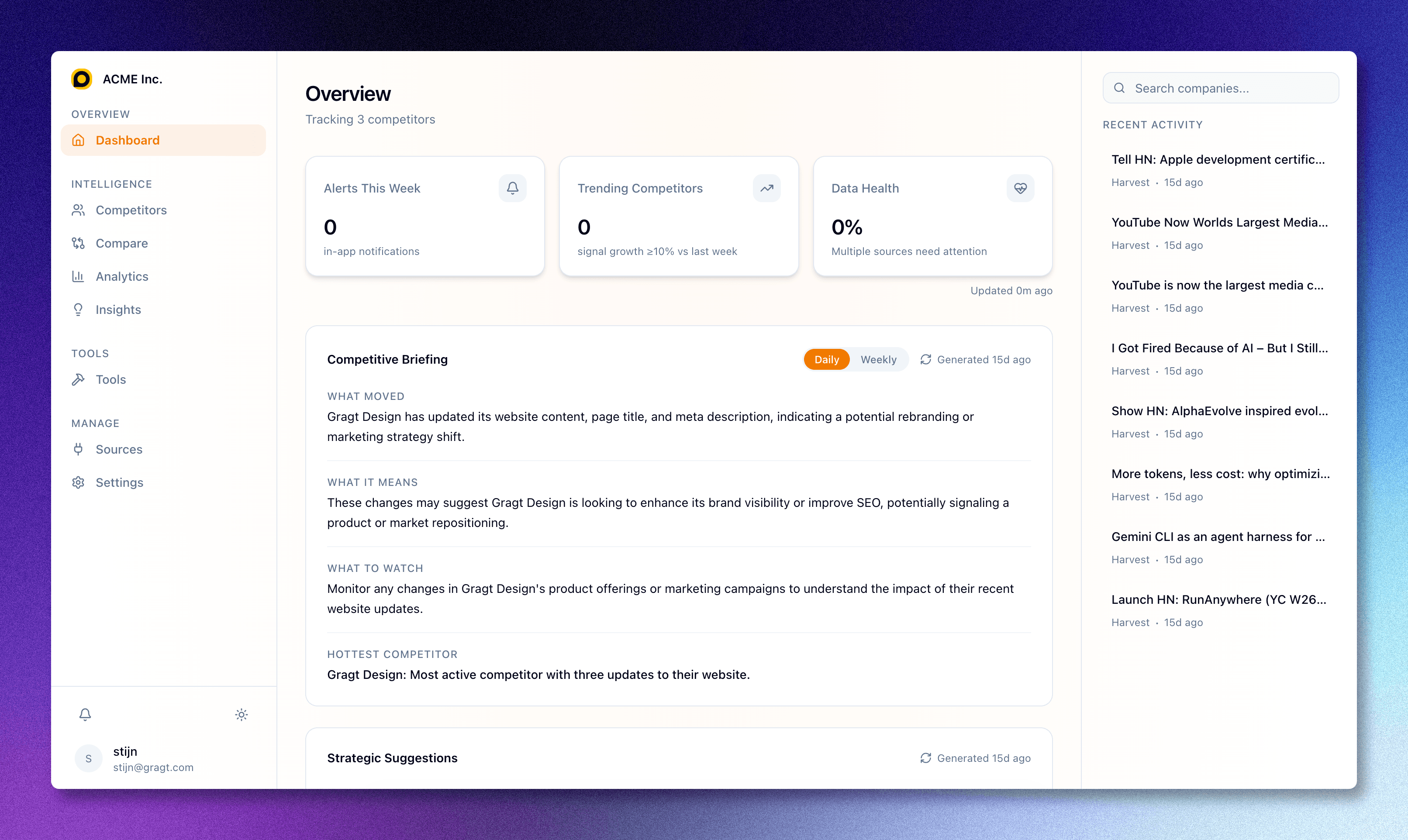
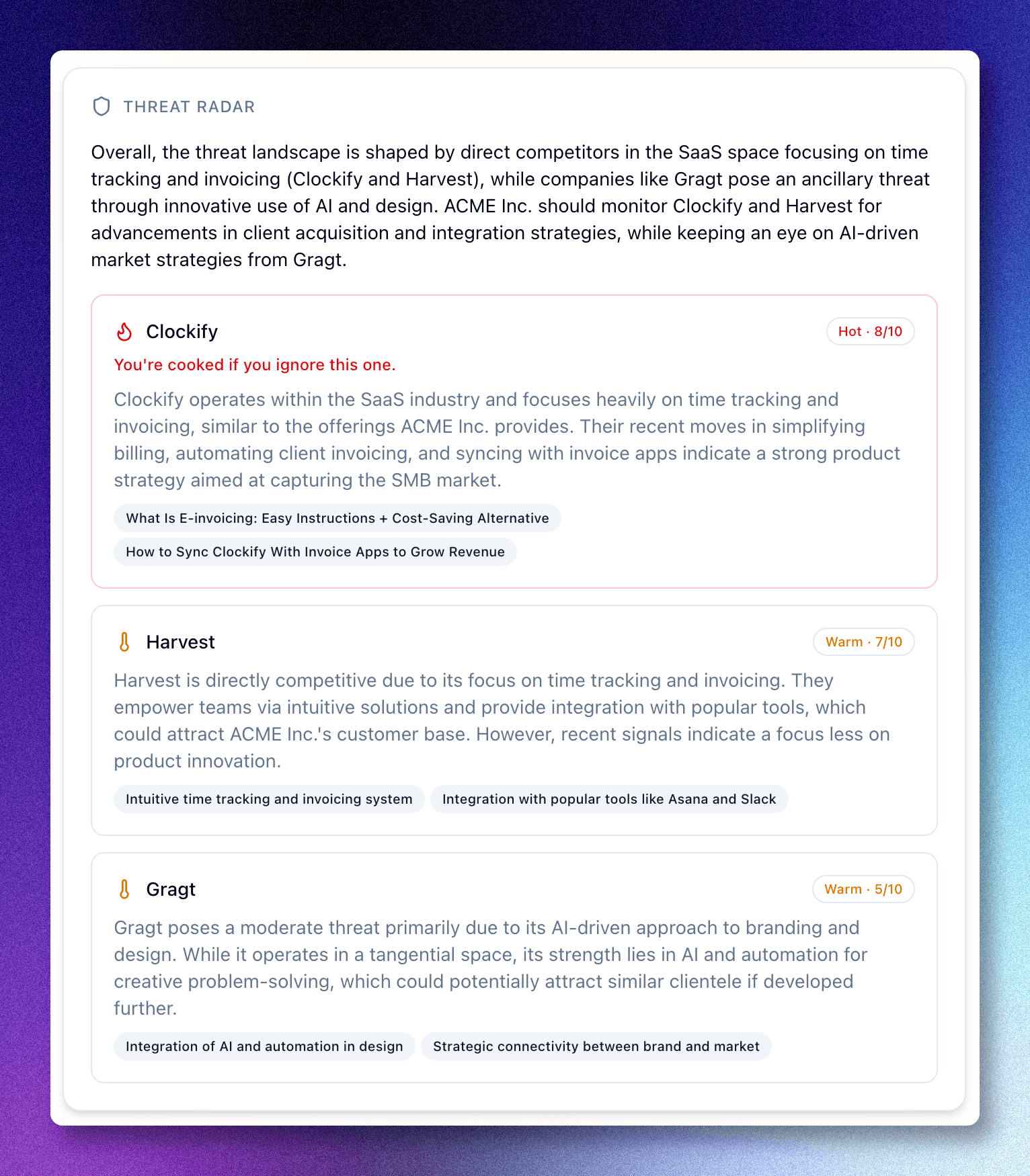
If you're a product designer or a marketeer, you know the pain: keeping track of what competitors are doing is either a manual nightmare or a living Notion doc that nobody maintains. We wanted a platform that monitors competitors over time, sends alerts when something shifts, and helps you counter-position. We called it Cooked, as in "are we cooked?" The thing you ask when you look at a competitor and wonder if you're screwed. I'll be writing a deeper dive on what we built in the Lab.
Different tools, same curiosity
The interesting part wasn't what we built. It was how differently we all approached it.
One friend works almost exclusively in Cursor with GitHub Copilot. Another friend and I use Claude Code. The developer in the group doesn't vibe code at all; he writes actual code. Different frameworks, different preferred models, different mental models for how to get AI to do what we wanted.
We mostly worked side by side, screen sharing and riffing off each other. Someone would try something, share their screen, and the rest would jump in with ideas or suggestions. That back-and-forth is where the interesting stuff happened.
My friends were curious about how I set up projects with AI: the prompting strategies, the frameworks and methodologies I'd been experimenting with. And I was equally curious about theirs. One of them codes with Grok, which I'd never even tried. Another showed me a technique where you take Claude's output, feed it back to Claude, and ask it to grade itself and improve on that grade. Recursive self-improvement. That one stuck with me. It's become part of how I prompt now; the output compared to a single-shot prompt is noticeably better.
Nobody walked away thinking their way was the right way. We walked away with five new ways to try.
What we actually shipped
The original goal was an interactive prototype. Something we could click through, maybe run a single competitor scan, with broad UX strokes sketched out. That would've been a win.
We ended up with a semi-working application. Authentication, a backend server in Supabase, and enough functionality to actually use. Way beyond what we expected from one afternoon.
And it didn't stop there. After we wrapped up and headed home, I spent some time during the week tweaking things and building out a couple more features. It turned into something genuinely compelling to mess around with. We even had a "stakeholder meeting" in WhatsApp where we shared progress, traded feedback, and brainstormed next steps. Four friends in a group chat pretending to be a product team. It was great.
The stuff that doesn't make the LinkedIn post
At some point we stopped building and started messing around. We threw lyrics from a famous Dutch singer into Suno, set the style to "Epic Opera," and completely lost it. Full orchestral treatment: violins, brass, choir, drums. An absolutely over-the-top rendition of a song that was never meant to sound that epic. Then we tried Cholo Rap. Then Country. We experimented with image generators and voice generators, just to see what's actually possible now.
That part doesn't make the productivity highlight reel. But honestly, it mattered just as much. That's when the energy was highest, when we were genuinely learning by playing.
Why this matters
You know that feeling when you're deep into something and you just want to talk to someone who gets it? Not to teach, not to convince. Just to riff.
That's hard to find. Most conversations about AI still start at "so what is ChatGPT actually" and there's nothing wrong with that, but it's not where new ideas come from. You end up explaining more than exchanging. Not because anyone's doing anything wrong; just because the gap is there.

Getting together with people who share your curiosity but approach it differently changes that. You stop explaining and start exchanging. Someone asks you a question you hadn't considered. Someone shows you a workflow that makes yours look clunky.
You don't need to call it a hackathon. Call it whatever you want. A build night. A nerd evening. An afternoon where everyone brings their laptop and their curiosity. The format doesn't matter. What matters is being in a room with people who get it, and who do it differently than you.
We left with a semi-working product, a handful of absurd AI-generated opera covers, a WhatsApp group that turned into a product team, and the kind of energy you can't get from a tutorial. We're already planning the next one.
Find your people. Pick an afternoon. Geek out.